4N1X1 · Medical
Surgical Technologist
Also known as: Surgical Service
Last updated
At a glance
- ASVAB minimums
- G 44
- Tech school
- Fort Sam Houston, Texas · 32 days
- Career field size
- 640 Airmen
- Possible bases
- 11 stateside · 8 overseas
- Civilian equivalent pay
- $31k–$208k
Table of ContentsShow
- What does the Surgical Technologist career field do?
- Duties and responsibilities
- Specialty qualifications
- Civilian career paths
- ASVAB requirements
- Entry requirements
- Where you could be stationed
- Badges & identifiers
- Degrees & training plan
- Specialties (shred-outs)
- Videos, Reddit & resources
- Frequently asked questions
What does the Surgical Technologist career field do?
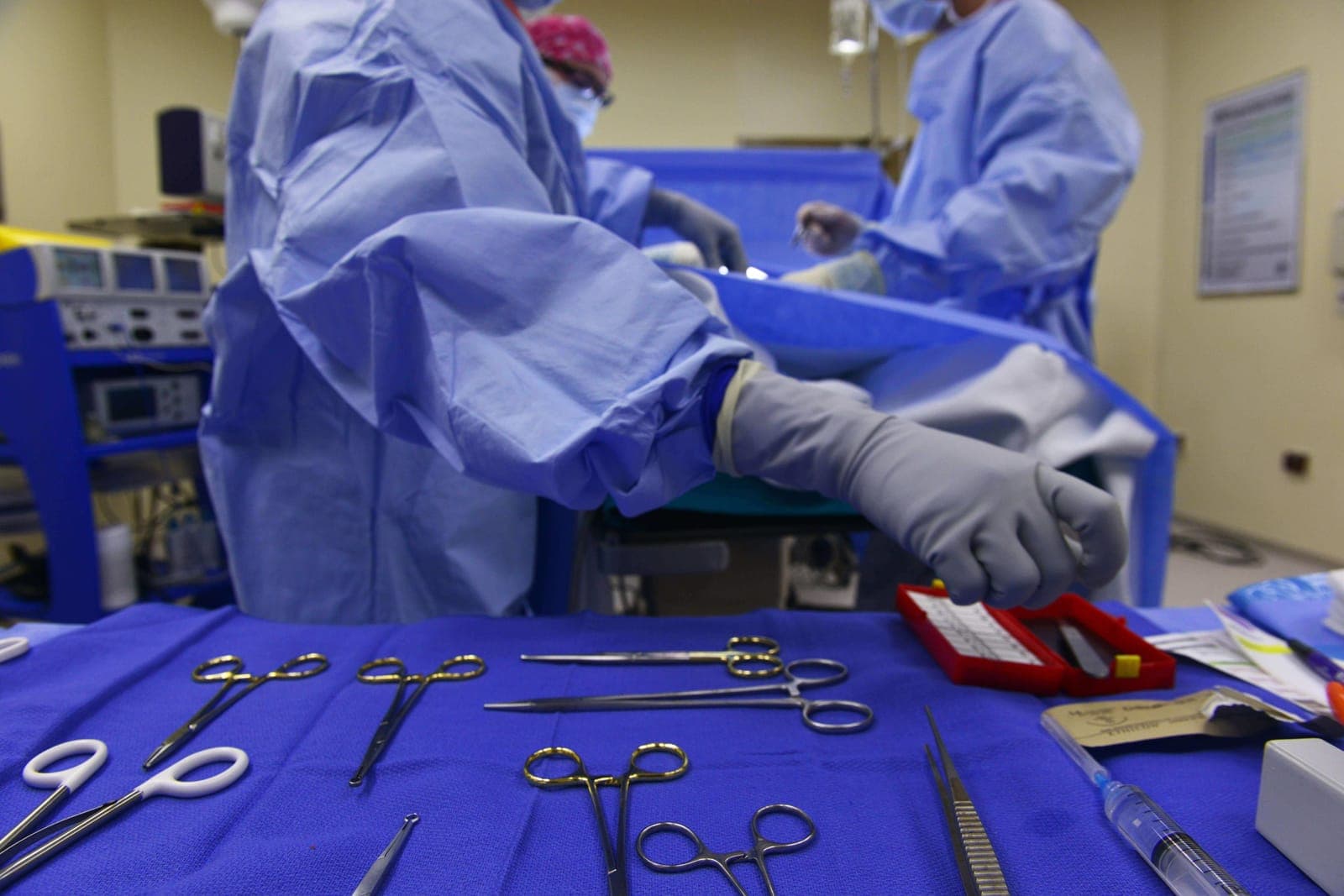
Participates in, and manages planning, providing, and evaluating surgical patient care activities and related training programs. Organizes the medical environment, performs, and directs support activities in patient care situations, including contingency operations and disasters. Assists professional staff in providing patient care for the surgical patient before, during, and after surgery. Performs scrub and circulating duties in the operating room (OR). Assists with post-anesthesia recovery of patients. Processes, stores, and distributes sterile supplies. Participates in planning, implementing, and evaluating management activities related to the OR and Sterile Processing and Distribution (SPD). Performs duties as Urology, Orthopedic, Otolaryngology, and Special Operations Surgical Team (SOST) Surgical Technologists. Related DoD Occupational Subgroup: 130100.
Duties and responsibilities
- Directs, performs, and coordinates administrative functions. In coordination with executive management team, establishes administrative policies for surgical functions and provides input into strategic resource planning. Manages the preparation of correspondence, records, and their maintenance. Determines methods and sources of obtaining data for routine or special reports. Directs, coordinates, and validates budget requirements. Serves as a consultant to MAJCOM Functional Manager. Participates or assists in developing and implementing command programs. Conducts staff assistance and consultant visits. Assists the executive management team with developing, interpreting, and evaluating instructions, regulations, policies, and procedures. Oversees development, implementation and evaluation of medical readiness plans and programs. Oversees and participates in implementation of continual quality improvement plans and programs.
- Provides, supervises, and manages surgical patient care activities. Performs surgical tasks. Acts as team leader and member. Transports patients, and related records to and from the OR and recovery room. Assists nursing staff with preoperative patient preparation activities. Helps with routing medical materiel management activities. Accomplishes routine safety checks and operator preventive maintenance on fixed and moveable medical equipment and fixtures. Performs routine and specialized housekeeping activities. Prepares OR for surgery by setting up and opening sterile supplies and instruments. Assists anesthesia personnel with patient positioning and anesthesia administration. Applies principles of asepsis, infection control, and medical ethics. Assists with terminal cleanup of OR and prepares for follow-up procedures. Assembles, wraps, and sterilizes instrument sets, supplies, and linen packs. Stores, maintains, and distributes sterile patient care items. Prepares specimens for transport to the laboratory. Performs scrub duties in OR. Scrubs hands and arms and dons sterile gown and gloves. Prepares and maintains sterile instruments, supplies, and equipment of draped tables and stands. Counts sponges, needles, instruments, and related items with circulating nurse before, during, and after surgical procedures. Assists the operative team with applying sterile drapes to the surgical field. Passes instruments, sutures, and other supplies to the sterile operative team. Anticipates surgeon’s needs and assist with surgical procedures as directed. Cares for surgical specimens on the sterile field. Cleans and prepares instruments and reusable supplies for terminal sterilization and decontamination. Participates in contingency or disaster field training, exercises, and deployments.
- Performs recovery room or basic nursing duties. Assists surgeon and nursing staff with monitoring and recording vital signs. Administers oxygen, helps arouse patient, and carries out surgeon’s post-operative orders. Assists with identifying and managing of postoperative complications.
- Performs general clinic functions. Schedules and prepares patients and sets up instruments, supplies, and equipment for specialized procedures in the OR and specialty clinics. Assists specialty surgeon during surgical and diagnostic procedures. Assembles, operates, and maintains diagnostic and therapeutic equipment. Orders diagnostic laboratory and radiographic procedures as directed. Performs administrative activities unique to specific surgical clinics.
- Provides medical training to agencies and personnel other than medical. Training includes areas such as aseptic technique and Tactical Casualty Combat Care. Schedules in-service training in new procedures, techniques, and equipment. Provides required basic life support training. Conducts or schedules periodic disaster training, fire drills, and evacuation procedures.
- Performs urology functions. Operates special urological radiography equipment. Administers injections, catheterizes patients, performs laboratory tests and procedures, and administers intravesical medications under supervision of the physician.
- Performs orthopedic functions. Applies and removes casts and splints as directed by health care providers. Assembles and applies orthopedic traction devices. Administers topical anesthetics under supervision of the physician. Instructs patients in using crutches, canes, and other orthopedic appliances.
- Performs otolaryngology functions. Performs minor diagnostic and therapeutic ear, nose, and throat (ENT) procedures. Administers topical anesthetics under supervision of the physician. Performs diagnostic hearing evaluations and vestibular function tests.
- SOST Surgical Technologists perform special operations damage control surgical/resuscitation support in austere conditions, and organic critical care CASEVAC.
- SOST Surgical Technologists are also required to conduct biannual field training in which they plan, coordinate, and execute SOST specific Mission Essential Task Lists (METL’s) to ensure members are properly trained in how to merge surgical skills onto multiple SOF aircraft as well as other opportune, air, land, and sea platforms.
- Performs management and training functions as a surgical technologist. Plans and schedules workloads and duty assignments. Establishes work methods and standards. Evaluates work capability and proficiency of subordinates. Plans and conducts training. Interprets policies and instructions. Inspects and evaluates activities and procedures to ensure maintenance of asepsis and proper environmental, equipment, and facility safety conditions. Analyzes requirements and supervises requisition, storage, maintenance, and issue of equipment and supplies. Supervises, prepares, and maintains reports and records.
Specialty qualifications
Knowledge. The following knowledge is mandatory for award of AFSC indicated:
- 4N1X1/X1X. Fundamentals of anatomy and physiology; principles of asepsis and sterile techniques; preparing and storing surgical sets and packs, surgical instrumentation, and equipment; OR and anesthesia procedures; pathology as it applies to specimen care and handling; basic microbiology and infection control principles; basic surgical pharmacology; sterilizing and disinfecting procedures; surgical and anesthesia complications and their treatment; Medical Treatment Facility (MTF); and OR environmental hazards and safety procedures; handling and storage of compressed gases; basic medical material procedures; basic medical administrations procedures; legal aspects of preoperative care and medical ethics; roles and qualifications of surgical team members; and basic clinical functions.
- 4N1X1B. Anatomy and physiology of the genitourinary system and its disorders, genitourinary system terminology, and radiology techniques in urological procedures.
- 4N1X1C. Anatomy and physiology of the musculoskeletal system and its disorders; musculoskeletal system terminology; common practices, techniques, and principles of fracture immobilization including plaster and other casting materials; methods and principles of traction application; and common orthopedic complications and their management.
- 4N1X1D. Anatomy and physiology of the head and neck; disorders of ENT; medical terminology related to the ENT specialty; and special audiometry testing.
Education. For entry into this specialty, completion of high school is required with courses in general science, biology, chemistry, hygiene, and psychology desirable.
Training. The following training is mandatory for award of the AFSC indicated:
- 4N131. Completion of the surgical service resident and clinical course.
- 4N131B. Completion of the basic urology course.
- 4N131C. Completion of the basic orthopedic course.
- 4N131D. Completion of the basic otolaryngology course.
Experience. The following experience is mandatory for award of the AFSC indicated:
- 4N151/51X. Qualification in and possession of AFSC 4N131/31X. Also, experience in functions such as general care and treatment of patients; assisting the operative team and nursing staff in surgery; preparing patients for surgery; and performing sterile, unsterile, and related surgical activities.
- 4N171/71X. Qualification in and possession of AFSC 4N151/51X. Also, experience supervising and performing functions such as assisting surgeon and supervisor.
- 4N191. Qualification in and possession of AFSC 4N171/71X. Also, experience managing functions such as medical, surgical, and related patient care and administrative activities.
Other. The following are mandatory as indicated:
- See attachment 4 for additional entry requirements.
- For entry into shredouts B, C, and D, prior qualification, and possession of AFSC 4N151.
- For entry, award, and retention of AFSCs 4N1X1/X, the following are mandatory as indicated:
- Must not have chronic, untreated emotional instability or other unresolved mental health conditions according to the provisions of AFI 48-123, Medical Examinations and Standards.
- No latex sensitivity or dermatosis major issues resulting in rashes or inflammation of the skin preventing surgical task completion. No fear of blood according to the provisions of AFI 48-123.
- No limitations for continuous standing according to the provisions of AFI 48-123.
- For new recruits only, minimum score of 23 required on 4N1 Tailored Adaptive Personality Assessment System (TAPAS) and a general minimum score of 44 on the Armed Services Vocational Aptitude Battery (ASVAB) predictive success model (PSM).
- For award and retention of these AFSCs, must maintain local network access IAW AFI 17-130, Cybersecurity Program Management and AFMAN 17-1301, Computer Security.
Civilian career paths
Comparable civilian careers for this field pay roughly $30,850 to $208,000 per year (median salaries; varies by role and location):
- Endoscopy Technicians: $39,530
- Licensed Practical and Licensed Vocational Nurses: $48,820
- Medical Assistants: $35,850
- Medical Equipment Preparers: $38,800
- Nursing Assistants: $30,850
- Orthopedic Surgeons: $208,000
- Registered Nurses: $75,330
- Surgical Assistants: $51,840
- Surgical Technologists: $49,710
ASVAB requirements
To qualify for 4N1X1, you need:
Enter your scores in the AFSC explorer and this section will check each requirement for you.
Entry requirements
Medical profile (PULHES)ShowHide
PULHES scale: lower numbers mean a stricter medical standard. Tap a letter for what it measures.
Medical disqualifiersShowHide
These screened conditions disqualify a candidate for this AFSC:
Education prerequisitesShowHide
Security & backgroundShowHide
Where you could be stationed
Stateside (11)
- Eglin, Florida
- Fort Sam Houston, Texas
- JB Andrews, Maryland
- JB Langley-Eustis, Virginia
- JBSA Lackland, Texas
- Keesler, Mississippi
- Miami, Florida
- Nellis, Nevada
- Travis, California
- USAF Academy, Colorado
- Wright Patterson, Ohio
Overseas (8)
- Aviano, Italy
- Incirlik AB, Turkey
- JB Elmendorf-Rich, Alaska
- Lakenheath, United Kingdom
- Landstuhl, Germany
- Misawa, Japan
- Osan AB, South Korea
- Yokota, Japan
Badges & identifiers
Duty badges
The occupational badge worn by Airmen in this career field.
- Enlisted Medical Badge
Duty identifiers
Special duty patches and identifiers associated with this AFSC.
- MED Duty Identifier
Degrees & training plan
While serving in 4N1X1 you can earn an associate degree through the Community College of the Air Force:
- Surgical Services Technology
- Career Field Education & Training Plan (CFETP)View CFETP (PDF, opens in a new tab)
The CFETP is the official Air Force document describing this career field's full training pipeline, from tech school through advanced skill levels.
4N1X1 specialties (shred-outs)
This career field splits into 3 specialties — you may be assigned to one of these:
- 4N1X1BUrology
- 4N1X1COrthopedics
- 4N1X1DOtolaryngology
Shred-outs share the 4N1X1 career path; where a specialty sets its own minimums or screens, they're noted above.
Videos, Reddit & resources
4N1X1 videos(12)
These do not reflect official U.S. Air Force views and may contain inaccuracies — negative opinions are often overrepresented online.

Air Force Surgical Services Technician (4N1X1)
Airman Vision · 5/31/2025
1 of 12 videos
Reddit discussions(8)
These do not reflect official U.S. Air Force views and may contain inaccuracies — negative opinions are often overrepresented online.
Official links & resources(6)
Researching other jobs too? Every career field's videos and discussions are collected the same way — browse all AFSCs.
Frequently asked questions
- What ASVAB score do you need for Surgical Technologist (4N1X1)?
- You need General 44+ on the ASVAB to qualify for 4N1X1.
- Where can Surgical Technologist Airmen get stationed?
- 4N1X1 Airmen serve at 19 bases: 11 stateside and 8 overseas, including Aviano, Italy, Incirlik AB, Turkey, JB Elmendorf-Rich, Alaska.
- How long is tech school for Surgical Technologist?
- Tech school for 4N1X1 runs about 32 days at Fort Sam Houston, Texas.
Where this data comes from
Most of the data on this page comes from the Air Force Enlisted Classification Directory (AFECD) and recruiter TTMS readouts, which are no longer released publicly. Pulling it together and keeping it accurate takes real time, so I update these pages as often as I can.
Requirements do change between updates. Before you make any decisions, confirm the details with your recruiter. They always have the latest word.