
Your work in the AF will take you to different places within the US and around the world. The people living in each area have their own ways of daily living and thinking.
The combined social behaviors and beliefs of a group of people are called their “culture.” One way of living is not necessarily better than another, it is just different. As you work and live in these locations, get to know and respect these differences.
What is Cultural Sensitivity?
All cultures have belief systems that tie people together. These belief systems give insight into what a group values in life, what they think is good or bad and how they behave. Understanding and respecting other cultures is called cultural sensitivity.
It is not necessary to like or even prefer other cultural ways to show cultural sensitivity. Rather, you need to build an understanding of why other cultures hold beliefs that are different from yours. This will allow you to respect the way people express their beliefs.
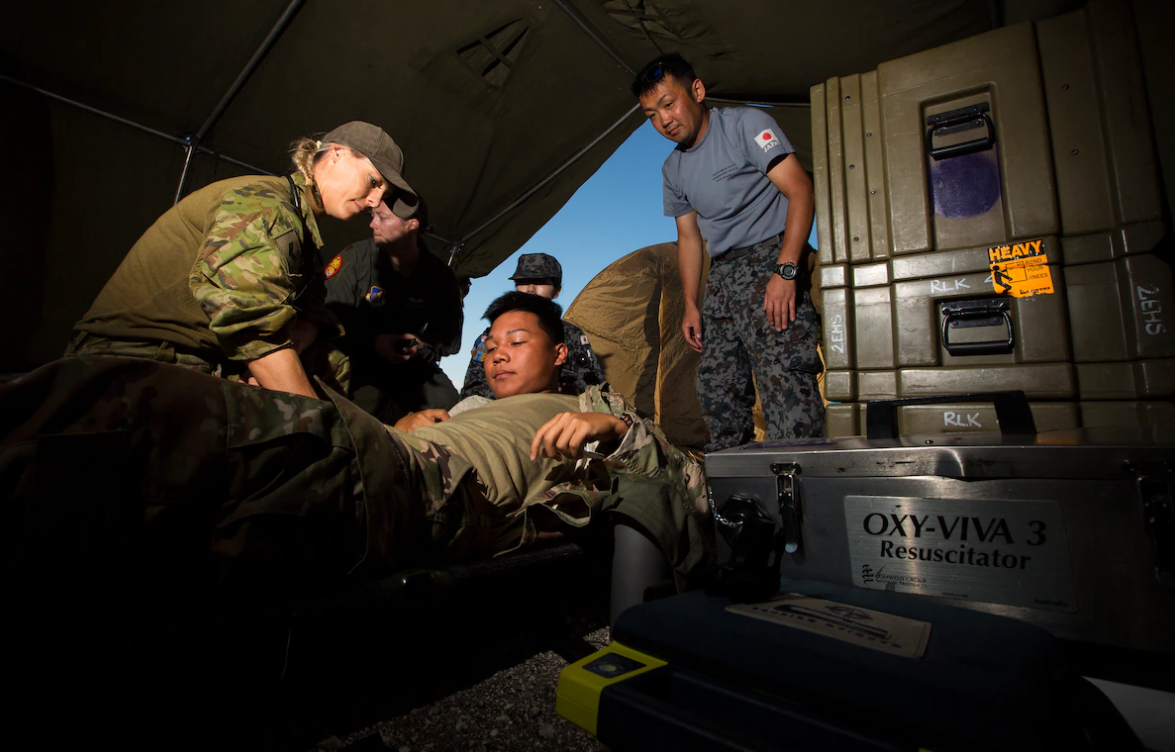
Groups form values and beliefs as they try to provide for the needs of their families, make sense of problems and deal with the unknown. Specific ideas and activities are formed over long periods through group activity and conversation.
Since each group faces different situations, each culture will have beliefs and activities that are specific only to them. After these beliefs have been passed down from generation to generation, the group’s belief system simply becomes automatic.
Many people do not question the values that their culture holds. If you ask someone about why their culture has a specific activity, you may find out that it is just rooted in their culture.
Ethnocentrism
The belief that the ideas, thought patterns and activities of your culture are better than those of another culture is known as ethnocentrism.
Each culture has different belief systems and different routines for daily life. Inside of a cultural group, most people will share the same main views because culture reinforces a certain pattern of thinking. It may become easy for some people to believe that everyone should think as they do.
The AF does not consider this a healthy viewpoint because it does not recognize the value and dignity of each person. It also limits the ability to communicate well with others.
You can avoid this feeling of superiority by having a broad knowledge of the existence and value of different cultures. It is natural to like what is familiar. This is true of people in all cultures; however, this is not a reason to feel superior to other cultures.
Failure to respect the differences of other cultures leads to misunderstanding, mistrust and failed communication. Proper respect will give you a better chance of building good relationships.
Try to understand that daily life activities are expressions of specific cultural beliefs. As cultural beliefs vary, so will activities. For example, different spiritual beliefs will be shown through different conduct in religious ceremonies.
Groups may have different ideas on how to raise children, handle money, what they consider modest clothing or what they consider a good work ethic. There could also be different attitudes about types of food, what is considered tasty and ways to eat.
How people communicate can also change from culture to culture. Different meanings can be given to hand gestures, eye contact, facial expressions, spacing between people and types of physical touch.
Words and phrases can also have different meanings in other cultures. Ensure your attempts at friendly relations are not offensive to others.
Importance of Cultural Sensitivity
You may have the chance to work alongside military personnel and civilians from other nations. A key to good relations is seeking to understand other cultures. This will build respect, trust and friendship.
Showing cultural sensitivity is even more important when you get deployed. Gaining and sustaining the support of those you are trying to help advances mission objectives and personal success.
You cannot accomplish personal and military goals if your behavior is misunderstood. This happens when you fail to show cultural sensitivity. Your job is challenging enough by itself and you do not need to make it more difficult by offending your team members.
If you show cultural sensitivity, you will build friendships that may protect you in a hostile situation.
Building Relationships in other Cultures
You must prepare to build relationships and avoid insulting people from other cultures. Use the Culture Smart! book series to get a brief history of the country, its people, social structures and common behaviors.
These are a series of books that cover virtually every country and can be purchased at most book stores. Familiarize yourself with this information to help you understand how to interact in another culture. Also, check with the base Protocol Office to find out the latest “do’s” and “don’ts” for the country you are visiting.
Tips
- Use a language phrase book to learn the basics of the country’s language. This includes learning key words like hello, goodbye, excuse me, sorry, please, thank you and other gracious terms. Learning phrases like “I don’t understand.” or “Do you speak English?” are also helpful. While you are learning, try to know the difference between formal and informal ways of addressing people. You would not want to address someone in a formal situation using something that you would say to a close friend. Learn the meaning of gestures and use them carefully and appropriately. Some gestures that you want to learn about are things like waving, pointing fingers, which hand you use, using the “thumbs up” and the “ok” sign can have different meanings for other cultures.
- Write down directions in the foreign language in advance of travel if you have difficulty with pronunciation.
- Learn by watching and listening to customs and rituals. Look for the deeper meaning or belief behind their behavior.
- Avoid automatically thinking others are wrong if they do something differently than you.
- No matter how much you prepare, at some point you will behave in a way that is offensive to someone. Ask the offended person questions when the misunderstanding happens. Most people will forgive you if they believe you were trying to act in a culturally sensitive manner. Talking through the issue helps show you want to cooperate with them.
- Never assume that what you do is acceptable to others. When working overseas or with people from a different culture, it is important to take a close look at the way in which you behave, dress, speak and act. Ask yourself if your actions could cause misunderstandings or offend others.
- It is in your best interest to understand the beliefs and actions of other cultures. Even though we may have different histories, experiences and beliefs, we should all share the desire for understanding and respect. The more we internalize and act upon this mutual respect, the more we will develop a bond of trust and friendship. These friendships can be a key factor to mission success.