
Part of valuing the uniqueness of our team members is to understand and respect their views on religion. As Airmen, you have committed yourselves to support and defend the Constitution of the United States.
The First Amendment guarantees protection for free exercise of religion, freedom of speech and the protection against a government established religion.
As individuals, this allows you the freedom to believe in the faith of your choice or the freedom not to worship. No one will force you to choose one religion over another or to practice religious beliefs at all. Faith beliefs and practices are strictly voluntary.
As military members, supporting and defending the Constitution requires you to remain officially neutral about religious beliefs and practices. You cannot endorse or approve any faith belief or absence of faith belief when acting in an official role. You must maintain a balance between the free exercise of religion and our necessity to remain officially neutral.
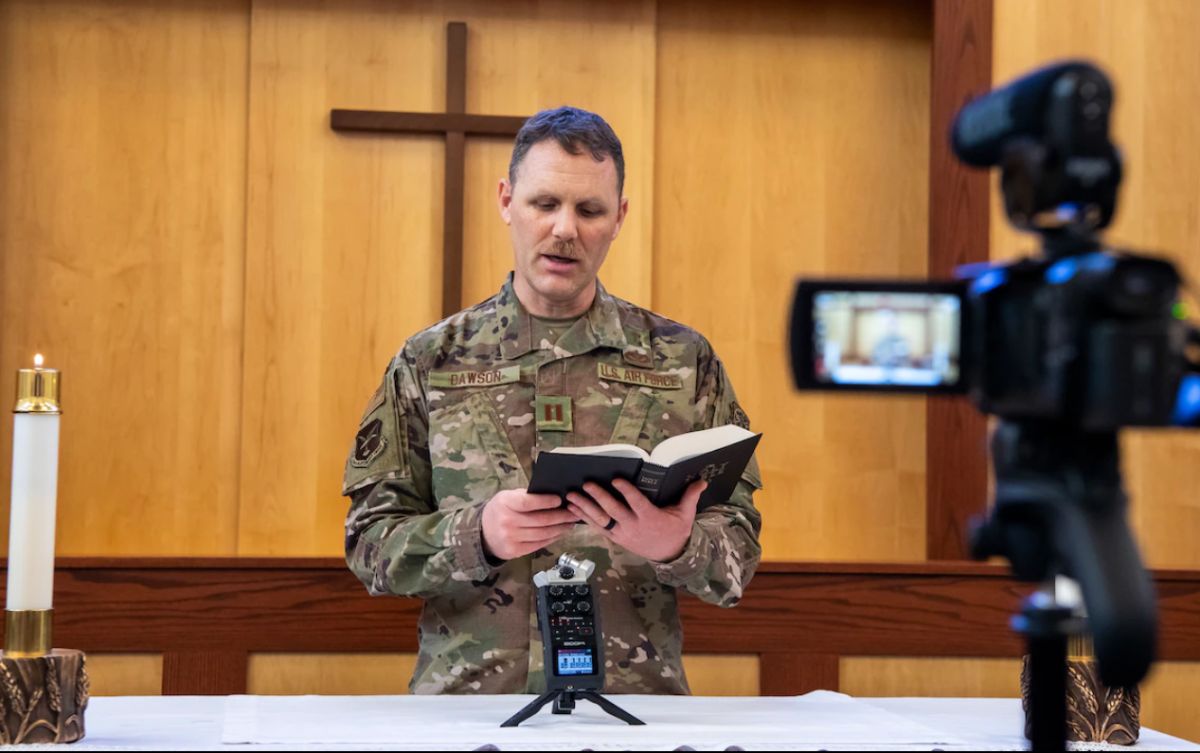
Participation in religious activities like worship, prayer, study and discussion is strictly voluntary. This concept is key to the free exercise of religion. AF policy does not limit your involvement in these voluntary activities or the exercise of free speech. However, your participation must show that your viewpoints are personal, not official.
When discussing your viewpoints, your words and actions must not appear to force someone to believe as you do. Forcing someone to listen to you or believe as you do is unacceptable. This may offend people with other religious views and may cause a division within your team.
Leaders must maintain a balance between their personal views on religion and the weight their official status carries. Subordinates can easily misinterpret their leader’s personal expressions as official or let them have unintended influence. Leader’s words and actions must remain neutral in official situations and when dealing with subordinates.
To support your team members, you may need to make reasonable accommodations in work situations to allow individuals the chance to practice their faith. For instance, you can try to not schedule a big meeting that would conflict with a religious ceremony that occurs only once a year.
Commanders will oversee the approval of requests for religious accommodations. They should approve any adjustments unless there is a compelling military need or an adverse impact on readiness, unit cohesion, standards or discipline. Commanders will respond fairly and consistently to requests. If a commander modifies or does not approve your request, keep in mind the AF Core Value of Service Before Self.
Commanders also have a duty to provide spiritual care to their members. They do this through Chaplain Corps Programs. These programs provide Airmen with religious support and personal care. They also assist commanders by giving them impartial advice on free exercise of religion.
Chaplains also have the same right for free exercise of religion that we all have. They will not be forced to take part in any religious activity that goes against their personal faith and this includes public prayer. They will still help Airmen of any belief find the spiritual and personal care that they need.
Having public prayer does not mean the government is endorsing a religion. A nondenominational, inclusive prayer or a moment of silence may be the right expression for military ceremonies or events of special importance.
There can be a prayer as long as it does not endorse a specific religion. Do not try to make public prayer part of routine official business such as meetings, classes or sanctioned activities.
You should also keep in mind that computers and other government resources are for official use. Any communication through email, postings or other forms of communication should follow the same guidelines about religious matters.
Following these guidelines will help your team maintain good order and discipline. They also uphold the AF Core Values of Integrity First, Service Before Self and Excellence In All We Do.
Do your part by respecting everyone’s right to their own religious beliefs. If you have any questions about the free exercise of religion in the military, your chaplain is a good source of information and advice.