
You must complete all exercises and memorize all ranks and insignias by the end of the 2 WOT
Insignias identify the rank of each member of the Armed Forces. The Air Force (AF) insignia system has two major categories: officer and enlisted ranks. Each rank has a pay grade that begins with either the letter “O” for officer or “E” for enlisted.
The enlisted pay grade is always one more than the number of stripes, thus, an individual with the pay grade of E-2 has one stripe. The enlisted ranks are further divided into three tiers: the Junior Enlisted Airman Tier, Noncommissioned Officer (NCO) Tier and Senior NCO (SNCO) Tier (for further information on the three tiers or on special SNCO positions, reference AFI 36-2618, The Enlisted Force Structure).
Enlisted Insignia
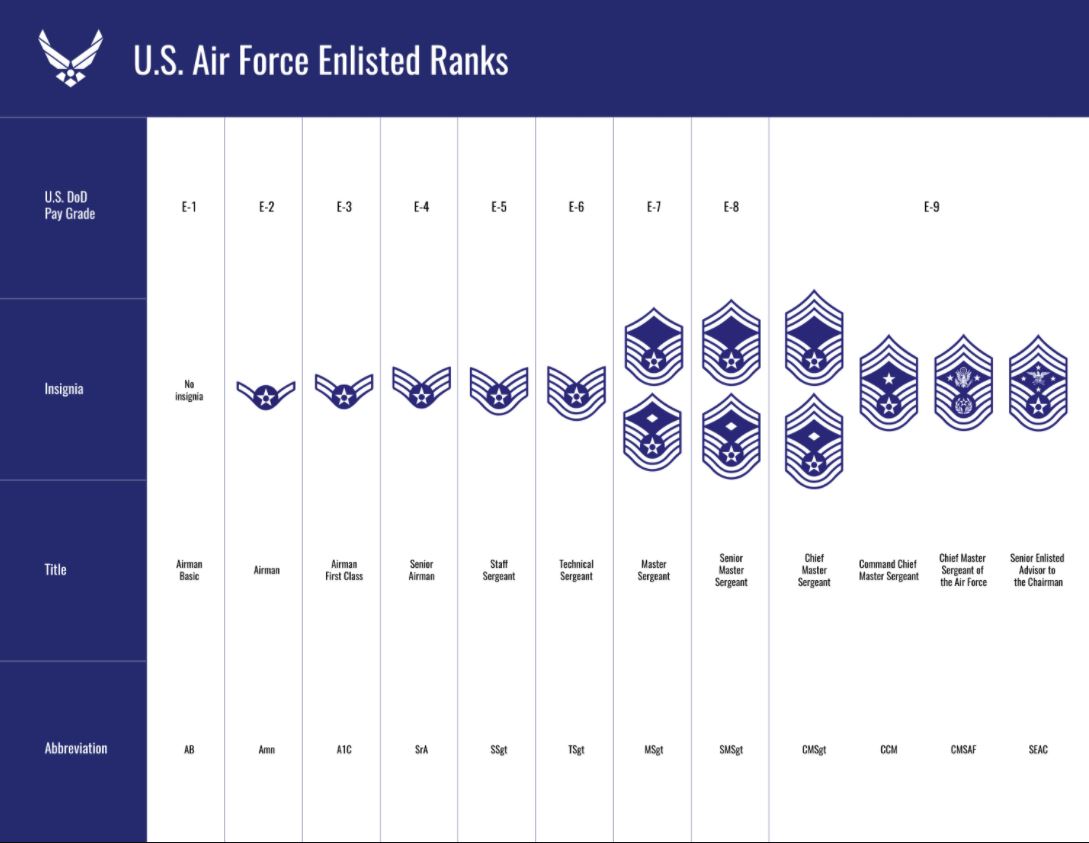
With the exception of Airman Basic, the insignias of AF enlisted personnel consist of a chevron of one or more stripes. The background of the chevron on the service uniform is blue and the stripes are white with a white star in the center. The subdued insignias worn on the Operational Camoflauge Pattern (OCP) will be spice brown.
Enlisted members earn their “stripes” through hard work and dedication; therefore, it is very important to know what their insignias look like. This will allow you to call them by their proper rank and pay them the proper respect.
Junior Enlisted Airman Tier
This tier consists of Airman Basic, Airman, Airman First Class and Senior Airman. Junior Enlisted Airmen initially focus on adapting to military requirements, achieving occupational proficiency and learning how to be highly productive members of the AF.
In this tier, Airmen prepare for increased responsibilities and must ensure they are trained, qualified and ready to deploy and operate in an expeditionary environment while maintaining home station readiness. Junior enlisted Airmen also continue to broaden technical skills and pursue professional development through on- and off-duty education.
Airman Basic
The abbreviation for an Airman Basic is “AB.” An AB does not wear any rank insignia. Terms of address are “Airman” or “Airman Basic.” The pay grade for an AB is E-1.
Airman
The abbreviation for an Airman is “Amn.” The rank insignia for an Amn is a chevron of one stripe with a star in the center. The term of address is “Airman.” The pay grade for an Amn is E-2.
Airman First Class
The abbreviation for an Airman First Class is “A1C.” An A1C wears a chevron of two stripes with a star in the center. Terms of address are “Airman” or “Airman First Class.” The pay grade for an A1C is E-3.
Senior Airman
The abbreviation for a Senior Airman is “SrA.” A SrA wears a chevron of three stripes with a star in the center. Terms of address are “Airman” or “Senior Airman”. The pay grade for a SrA is E-4.
NCO Tier
This tier consists of Staff Sergeant and Technical Sergeant. The primary focus in this tier is mission accomplishment. NCOs continue occupational growth and become expert technicians. At the same time, NCOs develop as leaders, supervisors, managers and mentors.
Additionally, NCOs must ensure they keep themselves and subordinate personnel trained, qualified and ready to deploy and operate in an expeditionary environment while maintaining home station readiness.
In this tier, NCOs also continue to develop institutional competencies in preparation for increased responsibilities while continuing to broaden technical skills and pursuing professional development through on- and off-duty education.
Staff Sergeant
The abbreviation for a Staff Sergeant is “SSgt.” A SSgt wears a chevron of four stripes with a star in the center. Terms of address are “Sergeant” or “Staff Sergeant.” The pay grade for a SSgt is E-5.
Technical Sergeant
The abbreviation for a Technical Sergeant is “TSgt.” A TSgt wears a chevron of five stripes with a star in the center. Terms of address are “Sergeant” or “Technical Sergeant.” The pay grade for a TSgt is E-6.
SNCO Tier
This tier consists of Master Sergeant, Senior Master Sergeant and Chief Master Sergeant. The Primary focus in this tier is mission accomplishment. SNCOs serve as leaders, supervisors, managers and mentors to further develop junior enlisted Airmen and NCOs under their charge to maximize their leadership abilities.
In this tier, SNCOs continue building institutional competencies. Additionally, SNCOs must ensure they keep themselves and subordinate personnel trained, qualified and ready to deploy and operate in an expeditionary environment while maintaining home station readiness.
SNCOs have a great deal of experience and leadership ability that can be used to leverage resources and personnel against a variety of mission requirement. SNCOs participate in decision- making processes on a variety of technical, operational and organizational issues.
Master Sergeant
The abbreviation for a Master Sergeant is “MSgt.” A MSgt wears a chevron of six stripes with a star in the center. Terms of address are “Sergeant” or “Master Sergeant.” The pay grade for a MSgt is E-7.
Senior Master Sergeant
The abbreviation for a Senior Master Sergeant is “SMSgt.” A SMSgt wears a chevron of seven stripes with a star in the center. Terms of address are “Sergeant”, “Senior”, or “Senior Master Sergeant.” The pay grade for a SMSgt is E-8.
Chief Master Sergeant
The abbreviation for a Chief Master Sergeant is “CMSgt.” A CMSgt wears a chevron of eight stripes with a star in the center. Terms of address are “Chief Master Sergeant” or “Chief.” The pay grade for a CMSgt is E-9.
Special Enlisted Positions
SNCOs can also serve in a number of special leadership positions. These positions add distinction to the enlisted force structure. You must demonstrate the highest standards, discipline and performance to serve in these positions. Additionally, the competition is great and the selection process is strenuous so only the best of the best are selected for these unique and top positions.
Chief Master Sergeant of the Air Force
The abbreviation for Chief Master Sergeant of the Air Force is “CMSAF.” The CMSAF wears a chevron with a wreath around the star in the lower field and the great seal of the United States of America with a star flanked on each side in the upper field.
A wreath also encircles the US lapel insignia worn on the service coat. The term of address is “Chief Master Sergeant of the Air Force” or “Chief.” The pay grade for the CMSAF is E-9.
The CMSAF is the senior enlisted leader of the AF (outranks all other enlisted personnel) and takes precedence over all enlisted members while serving in the position. The CMSAF provides leadership to the enlisted force and advises the Chief of Staff of the AF, Secretary of the AF, Chairman of the Joint Chiefs of Staff and the Secretary of Defense on enlisted matters.
The CMSAF communicates with the force, testifies before Congress and is the AF career field manager for command chief master sergeants and group superintendents.
Command Chief Master Sergeant
The abbreviation for Command Chief Master Sergeant is “CCM.” The CCM wears an additional star between the upper and lower stripes on their chevron. Terms of address are “Command Chief Master Sergeant” or “Chief.” The pay grade for a CCM is E-9.
The CCM is the senior enlisted leader in a wing, Numbered AF, Major Command, Direct Reporting Units, Field Operating Agencies or other similar organization.
The CCM is responsible for advising commanders and staff on mission effectiveness, professional development, military readiness, training, utilization, health, morale and welfare of the command’s enlisted Airmen and takes action to address shortfalls or challenges.
The CCM provides leadership to the enlisted force and is the functional manager for group superintendents and first sergeants in their organization.
First Sergeant
The abbreviation for first Sergeant is “1st Sgt”. SNCOs (MSgt, SMSgt and CMSgt) are eligible for selected retraining as a 1st Sgt. A 1st Sgt wears a diamond device above the star on their chevrons.
The diamond device signifies a job position only. The appropriate terms of address are to call them by their rank or “first sergeant.” The pay grade for a 1st Sgt is dependent upon their rank (E-7, E-8 or E-9).
The 1st Sgt provides a dedicated focal point for all readiness, health, morale, welfare and quality of life issues within their organizations. At home station and in expeditionary environments, their primary responsibility is to build and maintain a mission-ready force to execute home station and expeditionary mission requirements.
1st Sgts derive their authority from the unit commander and advise commanders, command chiefs and other enlisted Airmen on morale, discipline, mentoring, well-being, recognition and the professional development of enlisted Airmen.
They ensure the enlisted force understands the commanders’ policies, goals and objectives. They also ensure support agencies are responsive to Airmen’s needs. They conduct quality force reviews on all enlisted performance reports, decoration recommendations and other personnel actions.
Working with fellow SNCOs and supervisors, 1st Sgts ensure equitable and effective discipline and the highest level of esprit de corps. They also work closely with the CCM to prepare the organization’s enlisted force to best execute all assigned tasks.
They participate in the first sergeants council and other activities that support the total needs of the military community.
Officer Insignia

Commissioned officers are able to exercise command over a military unit. An individual is permitted to serve as a commissioned officer in the Military Services because of the special trust and confidence the President of the United States has placed in their patriotism, valor, fidelity and competence.
Commissioned officers are expected to display responsibility commensurate to that special trust and confidence and to act with the highest integrity at all times. To become a commissioned officer in the AF, you must have a minimum of a bachelor’s degree in a field that the AF has openings. In some fields, such as medical and civil engineering, specialized degrees are required.
You can obtain a commission in the AF by being selected for the AF Reserve Officers Training Program, by attending the AF Academy or by graduating from Officer Training School.
The insignia on the service uniform is a metal rank insignia worn on the epaulets. The insignia on the OCP will be spice brown, exception: First Lieutenant and Lieutenant Colonel rank insignia will be black.
Rendering the proper courtesies to our leadership is extremely important; however, you must first know how to identify these individuals. The officer ranks are divided into four categories: Company Grade Officers, Field Grade Officers, General Officers and Special Officer Positions.
Company Grade Officers
Second Lieutenant
The abbreviation for a Second Lieutenant is “2d Lt”. The rank insignia for a 2d Lt is one gold bar. Terms of address are “Second Lieutenant” or “Lieutenant.” The pay grade for a 2d Lt is O-1.
First Lieutenant
The abbreviation for a First Lieutenant is “1st Lt.” The rank insignia for a 1st Lt is one silver bar. Terms of address are “First Lieutenant” or “Lieutenant.” The pay grade for a 1st Lt is O-2.
Captain
The abbreviation for a Captain is “Capt.” The rank insignia for a Capt is two silver bars connected. The term of address is “Captain.” The pay grade for a Capt is O-3.
Field Grade Officers
Major
The abbreviation for a Major is “Maj.” The rank insignia for a Maj is a gold oak leaf. The term of address is “Major.” The pay grade for a Maj is O-4.
Lieutenant Colonel
The abbreviation for a Lieutenant Colonel is “Lt Col.” The rank insignia for a Lt Col is a silver oak leaf. Terms of address are “Lieutenant Colonel” or “Colonel.” The pay grade for a Lt Col is O-5.
Colonel
The abbreviation for a Colonel is “Col.” The rank insignia for a Col is a silver eagle. The term of address is “Colonel.” The pay grade for a Col is O-6.
General Officers
Brigadier General
The abbreviation for a Brigadier General is “Brig Gen.” The rank insignia for a Brig Gen is one silver star. Terms of address are “Brigadier General” or “General.” The pay grade for a Brig Gen is O-7.
Major General
The abbreviation for a Major General is “Maj Gen.” The rank insignia for a Maj Gen is two silver stars in a line. Terms of address are “Major General” or “General.” The pay grade for a Maj Gen is O-8.
Lieutenant General
The abbreviation for a Lieutenant General is “Lt Gen.” The rank insignia for a Lt Gen is three silver stars in a line. Terms of address are “Lieutenant General” or “General.” The pay grade for a Lt Gen is O-9.
General
The abbreviation for a General is “Gen.” The rank insignia for a Gen is four silver stars in a line. The term of address is “General.” The pay grade for a Gen is O-10.
Special Positions
Chaplain

Use the title and rank (Chaplain, Captain Brown) in official correspondences. Address chaplains as “chaplain” regardless of rank. Chaplains may also be addressed by traditional or denominational titles (e.g. Father White, Rabbi Green). Chaplain badges may differ depending on the chaplain’s religion.
Doctor
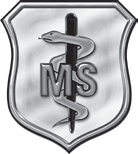
Doctors are addressed by either their military rank or “Doctor.”