What Should I Not Tell My Air Force Recruiter?
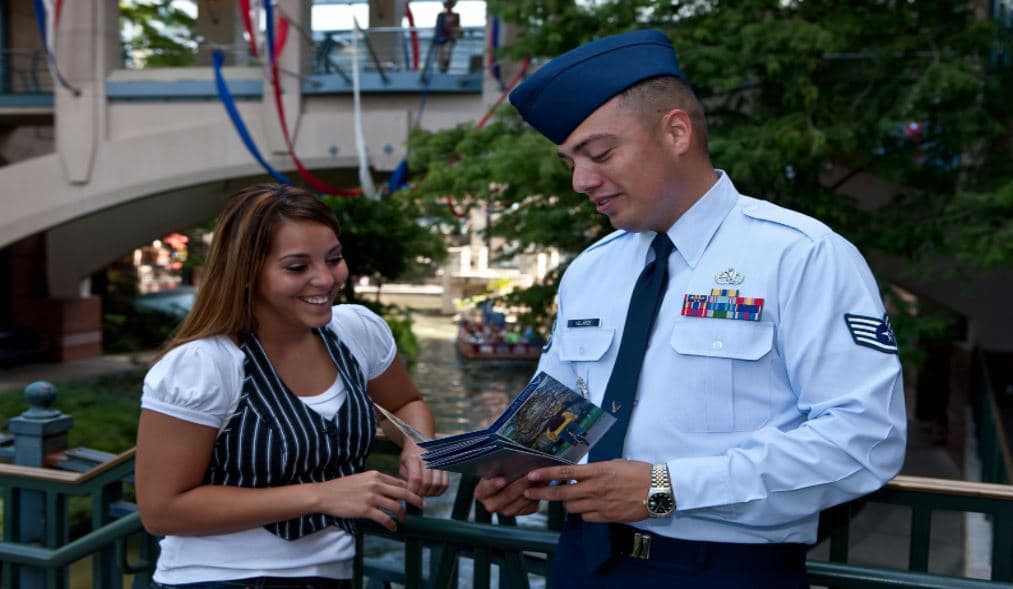
Table of ContentsShow
Embarking in a career in the military requires going through an extensive application process, during which you’ll be quizzed by your recruiter to ensure you have no disqualifying factors that could compromise your eligibility for service.
Recruiters will ask a lot of questions, on topics that you may or may not be comfortable discussing...
So, what should you not tell your military recruiter?
I’ll be straight-up: you do not want to lie to your recruiter.
Even if your recruiter seems to encourage you to lie - don’t. It’s a felony to give false information or withhold required information on any military recruiting paperwork.
The main thing to remember is that you have no right to join the U.S. military. You provide information, and the Department of Defense (DOD) and individual service standards use this information to decide whether or not you qualify.
These standards exist for a reason, and you should respect this. If you don’t meet those standards - for whatever reason - this is out of your control.
If you’ve taken drugs in the past, be honest about this, as the armed forces will find out.
It’s better to be straight-up and to be disqualified for enlistment than to lie, go through basic training, and risk being thrown out when your lie is discovered.
This could even result in an administrative discharge that will follow you for the rest of your life.
The bottom line is, avoid lying, as it will only catch up with you in the long run.
Tips for meeting your military recruiter
- When you meet your recruiter, be honest with them. Share your career goals, where you see yourself in five years, and your interests and ambitions. Doing this will make it easier for both you and the recruiter to pinpoint the best career options for you, and you’ll get far more out of your meeting.
- You’ll need to discuss your health, and, if you have a serious health condition, don’t attempt to hide this. Ask your recruiter about any disqualifying conditions. Hiding these conditions not only puts you at risk, but it also means you’re likely to get found out in your medical anyway. If you’re going to be disqualified, it’s best to go through this at the start of the recruitment process.
- Follow-up with your recruiter if you’re truly serious about joining the military. Ensure you gather any paperwork required and fill out all of the forms in a timely manner. You should also take your ASVAB as soon as possible. Doing this will not only get your career started far quicker, but it will show that you’re motivated and reliable - two traits that are essential for anyone hoping to enlist.
- Meet with recruiters from all branches of the military. Sometimes, recruiters will spend time voicing opinions and misconceptions of the other branches, and the only way to make a judgement for yourself is to talk to all of them. This way, you get to consider which one is best suited to your career ambitions.
What military recruiters are looking for
Good grades
The military used to be seen as a last resort for those who didn’t make it to college, however, this is no longer true.
The military has stricter standards than it used to, and many soldiers go on to study in college or advance their education.
Strong mental and physical health
Military training is tough, and recruits need to be mentally and physically healthy. Any medical conditions need to be flagged up, and you need to be fit enough to pass the physical exam, which some students have to lose weight for.
In fact, if you show the determination and willingness to work on your physical fitness, the armed forces will usually be more than happy to help you.
Professionalism
Don’t turn up to your recruitment meeting in a tank top and flip-flops. You wouldn’t do this for a job interview in an office, so why do it in an armed forces recruitment meeting?
Military students don’t need to dress formally, but should still look appropriate and well-groomed.
Preparation
Doing some research before your initial recruitment meeting is definitely a good idea. Most recruiters will not only ask you questions, but they’ll expect you to ask them questions, too.
Recruiters appreciate students who have gone to the effort of creating a list of questions, as this shows they’re interested and serious about the military.
It’s worth asking about subjects such as career paths, the commitment itself, benefits, and basic training.
You can also bring up the mental and physical requirements if you wish.
The more questions you ask, the more information you will have to make a decision on whether or not this is the right option for you.
Final Verdict
The most important thing when it comes to meeting with a military recruiter is to always tell the truth.
It’s far better to be honest and to be disqualified early on, rather than to waste your time - and risk an administrative discharge later on down the road.
Do your research, ask a lot of questions, and dress professionally, and you’re sure to make a good impression.
Keep Reading

Does The Air Force Reserves Pay For Housing?
Does The Air Force Reserves Pay For Housing?

Is Air Force Basic Training Difficult?
Is Air Force Basic Training Difficult?
What is the Shortest Air Force Contract?
What is the Shortest Air Force Contract?
Which Branch Has the Best Drill Team?
Which Branch Has the Best Drill Team?