The Air Force Enlisted Assignment Process | What You Need to Know
Table of ContentsShow
Are you thinking of enlisting in the Air Force? Military enlistment can be an exciting process. However, if you have little experience with the Air Force, you may feel unprepared.
The Air Force Enlistment Assignment Process focuses on the organization's need to distribute skills. Other factors include the members' quality of life, date of availability, and security clearance. Some positions require members to have certain skills/training, which affects who is assigned where.
The most commonly asked questions are, "What will my assignment be?" and "Where will it be located?" Not knowing how the Assignment Process works for Enlisted Air Force members can feel daunting. Luckily, you have come to the right place. Here we will discuss everything you need to know about enlisting in the Air Force and what to expect in the Assignment Process.
Who Gets Assignments and Where Do They Go?
Although Air Force assignments may at first appear random, there is plenty of thought and planning put into each Enlisted member's job assignment.
The Air Force's primary goal when assigning Enlisted members is equitable distribution of skill throughout the world. The Air Force does not simply allocate their best and brightest to one location; instead, they spread out their assignment locations. By assigning members' skill levels equitably throughout the world, the Air Force creates a worldwide heightened state of readiness.
Members of the Air Force are committed to bearing arms in defense of their country. Personal beliefs are set aside in place of responsibility to the nation. Because of this commitment, the Air Force holds the sole role in giving Enlisted members their assignments.
Enlisted members are often assigned based on specific missions. Assignments consider the individual's abilities and qualifications for completing the task at hand. Air Force members will never receive job assignments based on protected classes such as color, race, nationality, age, marital status, and more. However, the Air Force does select chaplains with consideration of the protected class of religious preference.
When selecting members for specific missions, the Air Force uses a unique selection system. The Special Experience Identifier (SEI) identifies Enlisted Air Force personnel qualified for the operation.
While some assignments require unique experience and qualifications, most job assignments will not.
Another factor considered in the Assignment Process is the Enlisted member's security clearance. Because it takes time to approve someone for a higher level of security clearance, the Air Force generally selects members who already have appropriate security clearance.
Throughout the assignment process, the Air Force selects volunteers for new assignments before non-volunteers. However, skills and experience will ultimately decide who gets what job assignments. Frequent assignments to new locations may worry newly enlisted members. No need to worry! First-time Air Force Enlisted members will have a limited number of assignment locations.
During the first four years of service, first-term Airmen will usually not receive more than two assignment locations. However, this rule is subject to several exceptions.
In addition to creating a high state of readiness, the Air Force considers the individual member's needs.
The United States Air Force recognizes that each Enlisted member has their own career goals. The Air Force considers each member's preferred job during the Assignment Process; however, this does not mean the member's job preference, also known as their "Dream Sheet," will always match their actual assignment.
Personal tempo is one of the main factors in considering where to assign enlisted Airmen. Personal tempo refers to each personnel's quality of life while in the Air Force. The Air Force measures the amount of time a member spends away from home while on assignments to determine their quality of life. If someone is determined to have a low quality of life, this may reduce their chances of receiving an assignment located far from home.
The Air Force Enlisted Assignment Process follows several policies regarding member's family lives and needs. These policies include the Humanitarian Assignment Policy and the Exceptional Family Member Policy.
Humanitarian Assignment Policy
The Humanitarian Assignment Policy recognizes that Airmen are still people with families who are waiting for them to come home. The Air Force also understands that occasionally problems will arise among family members that require their presence to resolve. If one of these problems arises, the Air Force will consider it in the Assignment Process. The member may receive reassignment or a deferment.
The Humanitarian Assignment Policy only applies to problems requiring a reasonable amount of time to resolve and that require their presence.
The Humanitarian Assignment Policy only applies to select family members. Family members identified in the Humanitarian Assignment Policy are spouses, children, parents, parents-in-law, and loco parentis. Loco Parentis is someone who has assumed the role and responsibilities of the member's actual parents.
This policy does not apply to problems involving siblings, cousins, aunts, uncles, or grandparents, and therefore they will not be considered in the Assignment Process.
Exceptional Family Member Policy
The second policy that considers the Enlisted member's family problems in the Assignment Process is the Exceptional Family Member Policy.
While the Humanitarian policy applies solely to problems that need a reasonable amount of time (short-term problems) to resolve, the Exceptional Family Member Policy applies to issues that may require an extensive period for resolution. Some situations may even be permanent.
Familial problems covered by the Exceptional Family Member Policy include special medical attention or education for a spouse or child. Although these problems are taken very seriously in the assignment process, they do not necessarily excuse the member from service. Additionally, they do not choose their base.
Alternately, the Assignment Committee will consider the member's family circumstances and assign them to a base capable of meeting their specific medical or educational needs. However, reassignment must align with the Air Force's needs for equitable distribution of skills.
If no suitable base exists, the Air Force may defer the member's assignment. Deferments under the Exceptional Family Member Policy generally apply to newly discovered medical conditions where their immediate presence is necessary. Postponements of service may last up to 12 months, giving the Enlisted member time to create a treatment and care plan for their family member.
After these 12 months, the Enlisted member will once again be considered available for regular assignments.
Couple Assignments
While no policy exists that dictates Military Couples' assignments, there are a few factors to understand.
The Air Force considers each member of the couple as individuals based on their skill set in the Assignment Process. They do not regard the couple's marital status. If their skill set varies from their spouse's, it may be necessary to assign them to separate locations.
Remember, the Air Force's first responsibility is to have equitable skill distribution throughout the world. If another base needs one of the spouse's skill sets, they will be assigned there.
In some cases, one spouse may apply for a voluntary Permanent Change of Station (PCS). If approved, they will receive an assignment on their spouse's base; however, they may have to pay for all of their travel expenses. Additionally, the PCS may not be approved at all.
Military service may become more difficult once the couple starts having children, especially if both parents are service members. If an Enlisted Air Force member cannot fulfill their military commitments due to family needs, it may be necessary to discharge them.
Enlisted Air Force members with children should provide a detailed plan of care.
If you have yet to enlist in the Air Force but already have children, there may be special requirements for you to meet. Learn more about serving Air Force Assignments while married or with kids from the United States Air Force.
When Do Air Force Assignments Come?
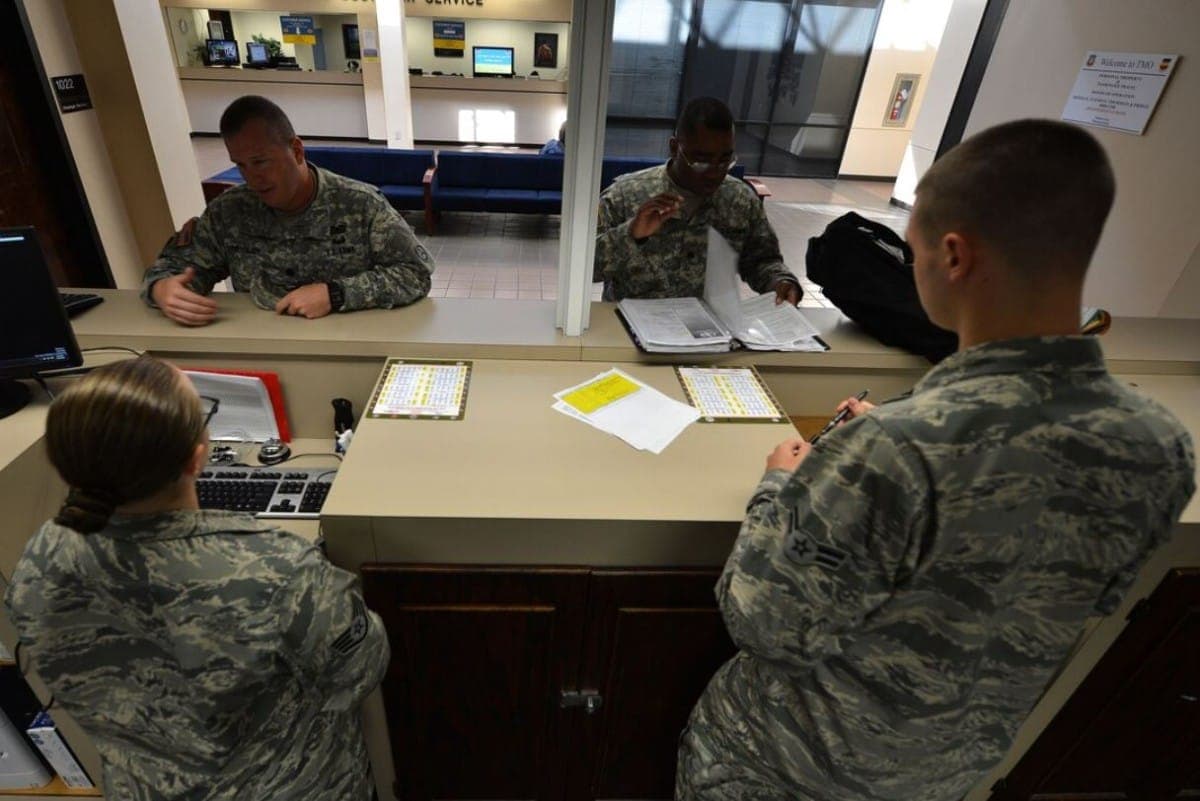
When you enlist for the Air Force, you will list when you are nearly finished with your Technical School.
You will likely receive your assignment a few months before your availability date. However, simply because you are considered available does not mean the Air Force will assign you immediately. Even if you receive your assignment before availability, you may not report on the first day of the month.
Time frames for assignments will vary on a case-by-case basis.
Because plans are constantly changing, the Air Force recognizes you may not be capable of reporting on the assigned date. If this happens, you will need to apply for a deferment. Deferments are usually only approved for events such as completing an education course, finishing a degree, participating in a court-martial (either as a witness or as the accused), retraining, or for humanitarian reasons.
You will not receive a deferment for a birthday, wedding, holiday, or vacation. The postponement of service will only be authorized if it regards educational and medical needs or if the member's presence is essential.
Set your availability date after any events you want to be present for before serving in the Air Force. Enlisting with the Air Force is a serious commitment. Fulfilling your responsibilities includes reporting to your assignment on time.
How to Prepare for Air Force Enlistment
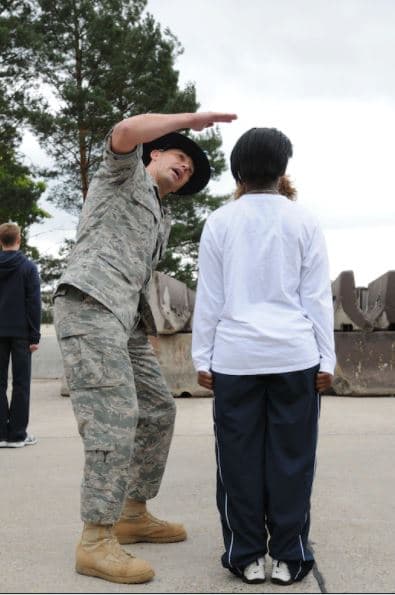
To enlist in the Air Force, you must be between 17 and 39 years old. If you have a GED, you must be at least 18 years old to enlist.
You can submit your application before reaching the minimum age, so long as you will be of proper age before your availability.
Do not wait until you are old enough to start preparing for service and assignments. Start focusing on your current education. The Air Force suggests focusing specifically on subjects such as English, math, and science. The Armed Services Vocational Aptitude Battery (ASVAB) exam covers these three topics.
You must pass the ASVAB exam to qualify for Air Force enlistment. Start studying for the exam by paying close attention in your current classes.
The ASVAB exam not only examines your current knowledge—it will also determine your ability to continue learning. While current knowledge is influential, the ability to continue learning throughout your service with the Air Force is necessary.
High school graduates (or seniors about to graduate from high school) must obtain a minimum qualifying score of 36 on the overall exam. Meanwhile, those who have a GED must earn at least a 50 overall score.
You will not just receive an overall exam score. The exam will include scores in four different categories: mechanical, administrative, general, and electronic. The scores you receive in each category will be used in the Assignment Process to determine the best area of work for you.
The ASVAB exam is essential for enlisting in the Air Force and influential on the form of assignments you will receive.
You can start preparing for the ASVAB today! Take this Practice Test from Military.com.
As well as preparing academically for Air Force enlistment, you must also prepare physically.
Air Force Enlistment and Assignments will require significant physical effort. The sooner you start preparing with physical conditioning, the easier it will be for you to acclimate to your first assignment.
Additionally, the Air Force has strict requirements for applicant's weight and physical health. Check out the weight by height standards in the table below.
Height (inches)
Max Weight (pounds)
60
141
61
145
62
150
63
155
64
160
65
165
66
170
67
175
68
180
69
186
70
191
71
197
72
202
73
208
74
214
75
220
Source: United States Air Force
There are no exceptions when it comes to an Airmen's maximum weight based on their height. If you are currently over the allotted weight, physical conditioning is a healthy way to reach the weight goal.
You should avoid drugs and other illegal substances when preparing for Air Force Enlistment. Substance abuse disqualifies you from Air Force eligibility.
Follow laws and regulations as well. Any violation of the law could result in a delay of your enlistment, or it could disqualify you entirely from enlisting. Be cautious of driving violations as well as more serious legal violations. Excessive traffic violations within one year could negatively impact your enlistment and assignments.
Before getting tattoos, consider the size, location, and content of the tattoo. Tattoos do not disqualify you from Air Force enlistment; however, they may disqualify you from some assignments.
The Air Force Enlistment Process starts long before you receive your first assignment. The process begins with your mental, educational, and physical preparation.
Once enlisted, the assignment process is beyond your control. The Air Force will ultimately decide where your skills and abilities serve their purpose best.
Learn more about how to start your Air Force Journey here!
Keep Reading

Does The Air Force Reserves Pay For Housing?
Does The Air Force Reserves Pay For Housing?

Is Air Force Basic Training Difficult?
Is Air Force Basic Training Difficult?
What is the Shortest Air Force Contract?
What is the Shortest Air Force Contract?
Which Branch Has the Best Drill Team?
Which Branch Has the Best Drill Team?