Can You Quit The Air Force?
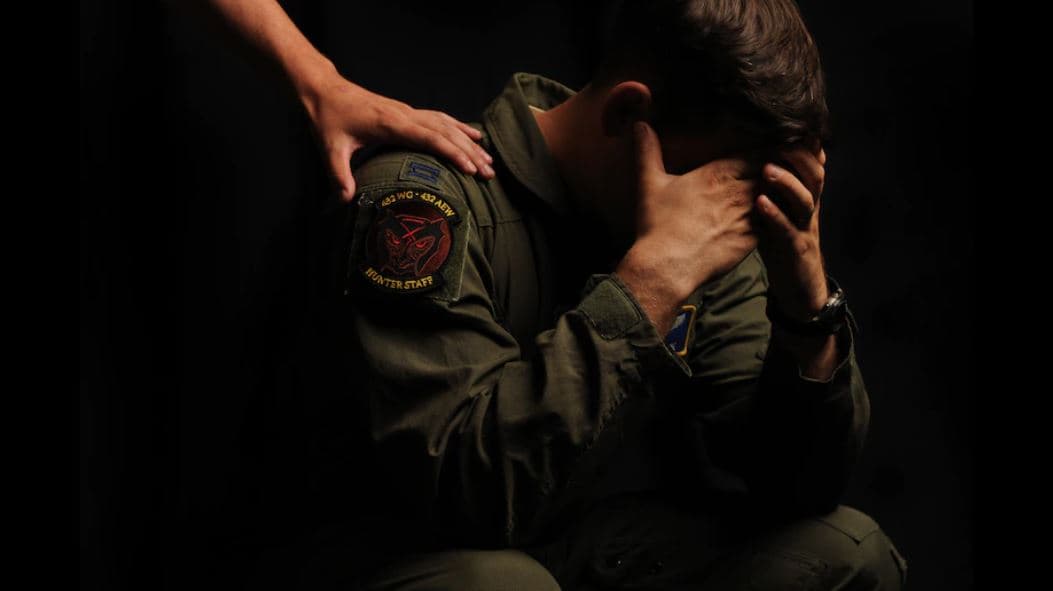
Table of ContentsShow
If you, or someone you know is part of the armed forces, then you may be wondering how they can leave, or what their rights are.
It is notoriously difficult to just quit the armed forces, and you may be wondering how this is done, whether you are punished or if you can voluntarily separate from the military or Air Force.
Let's see if I can provide some clarity.
Can you voluntarily separate from the Air Force?
Separation from the Air Force means that you voluntarily or non-voluntarily leave military service. This applies to Active Duty, Reserves, and Guard components.
You can voluntarily separate from the Air Force once your service obligation, also known as your contract, has been fulfilled. This will normally result in an "honorary" discharge and you will receive full veterans benefits associated with your service.
On the other hand, you can be non-voluntarily discharged from service for disciplinary actions. This can include UCMJ violations, Physical Training failures, reoccurring low performance as indicated on performance evaluations, and medial reasons.
If being discharged for discipline reasons, this could result in an "other than honorary" discharge and may be ineligible for most veterans benefits.
Can you quit the Air Force Reserves?
If you join the reserves of the Air Force, then you will be in a similar position as you would be as fully part of the military or the Air Force. This means that you are in a binding contract, and you cannot just leave on a whim, or because you feel like it.
Though not fully separated from the Reserves, your Commander might allow you to go into an non-active status, meaning you will not drill, earn retirement points, or receive pay. This is commonly referred to as "No Drill, No Points, No Pay."
Can you quit the Air National Guard?
The same rules apply to the Air National Guard that apply to serving in the Air Force Reserve. You can not quit on your own accord.
But you might be able to get your commander's approval for "No Drill, No Points, No Pay."
Can you quit Basic Training?
You can not quit or drop out of Air Force Basic Military Training (BMT) after you have sworn in and your contract is signed.
There will be many opportunities to stop your path to enlistment along your journey. If you are worried about whether you can quit, then you need to spend some more time on your decision to enlist in the military or not.
Do not take this decision lightly, and if you decide that the Air Force isn't for you, then be sure to let your recruiter know. Do not "Ghost" your recruiter. Pony up and let them know.
Do you get a DD-214 if you don’t finish Basic Training?
You can receive a DD-214 if you don't finish basic training.
A DD214 is a document that shows under what conditions a separation of service occurred. It also shows all active duty military time during your service.
This means that if you hurt in basic training or separated for disciplinary actions, this will be reflected in your DD-214. If your separation is honorable as reflected on your DD-214, then you will receive veterans benefits equifivlant to your military service.
Do you go to jail if you quit the military?
Depending on the circumstances, you can indeed go to jail if you "try" to quit the military. The military (and the US Air Force) will not just let you separate from military service because you feel like it or because you had a bad experience.
The best thing you can do is to educate yourself early and decide if military service is for you or not. If you have a bad experience, then you'll still have to fulfill your service obligation once you have signed your contract and MEPS and have sworn in.
After this point, then there is not quitting. You will either serve honorably and finish your obligation, or you will receive disciplinary action and receive an "Other Than Honorable" discharge.
Depending on the circumstances of your disciplinary action, then you can very much go to jail.
It pays to do your research early to determine if you are fit for military service. It's better to have not served then to receive a dishonorable discharge. This coding will follow you for the rest of your life.
If you do receive an other than honorable discharge, then you'll want to research on how to get that code changed or upgraded.
Keep Reading

Does The Air Force Reserves Pay For Housing?
Does The Air Force Reserves Pay For Housing?

Is Air Force Basic Training Difficult?
Is Air Force Basic Training Difficult?
What is the Shortest Air Force Contract?
What is the Shortest Air Force Contract?
Which Branch Has the Best Drill Team?
Which Branch Has the Best Drill Team?